
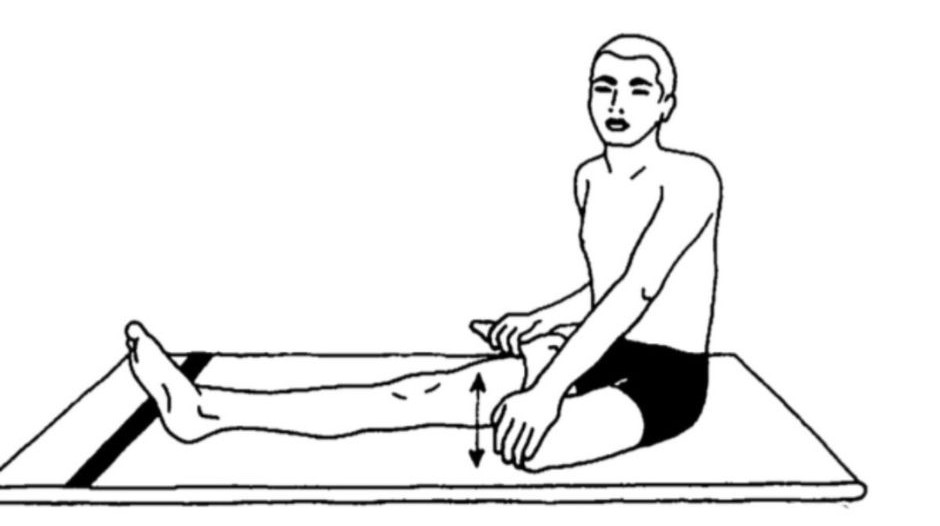
Ardha Titali Asana – The Half Butterfly Pose or the Half Butterfly Pose is a seated exercise and it a part of yoga practices like Hath Yoga. It might be a relatively new classification, but the pose is steeped in tradition from Hip opening yoga poses that aim to enhance flexibility and mobility of the joints, ease for those seated in meditation or simple comfort within our human frames. Ardha Titali Asana is particularly appreciated for its simplicity and it’s appropriate not only for the beginners but also for the advanced learners.
This is a preparatory asana for the body to become accustomed to the seated meditation and other yogic practices. It promotes better movement patterns and everlasting joint health by opening up the hips, knees and inner thighs.
Origin of Ardha Titali Asana
The name Ardha Titali Asana is derived from Sanskrit, in which Ardha means half and Titali means butterfly. Though the posture isn’t included in classical texts of antiquity, it grew out of similar seated hip-openers rooted in Hatha Yoga. It was eventually formalized in modern yoga instruction to make way for a safe beginner-friendly pose that can increase flexibility and joint mobility.
Ardha Titali Asana is commonly practiced in yoga schools in Rishikesh and 200 Hour yoga teacher training in India as a preparatory exercise for meditative postures including Padmasana (Lotus Position) and Siddhasana.
Ardha Titali Asana The Half Butterfly Posture About the asana How to do?
- Sit in the base position.
- Fold the right leg and, placing the right foot sidewise on the left thigh.
- Right hand to the ground on top of bent right knee.
- Grasp the toes of the right foot with your left hand.
- This is the starting position.
Stage 1: With Breath Synchronization
Breathe deep and pull the right knee up gently up toward the chest. Exhale as you gently slide your knee toward the floor, only going as far as is comfortable. The torso should be stationary during this portion of the movement. Do not force, the movement should be easy and regulated (by the light pressure of the right arm keeping relaxed how ever its leg muscles). Do ten slow up-and-down strokes in rhythm with your breathing.
Awareness: Pay special attention to the actions of the knee, ankle and hip joints, the release of muscles in your inner thights and let your breath flow easily.
Stage 2: Without Breath Synchronization
Stay in the same position with the left foot on the right thigh. Relax the leg muscles completely. Press the knee very lightly down toward the floor from your right hand and release it easily without effort. The motion should be rhythmic and easy, nnot stiff. Practice 30 fast but easy movements. The breathing of air shall be normal and natural, without developing any conscious control of the same.
Repeat both sequences with the left leg.
Consciousness: Keep awareness on the articulation of knee, ankle and hip joints; notice softening of inner thigh muscles.
Benefits of Ardha Titali Asana
Half Butterfly Pose Loosening the hip and knee joints this asana is an excellent practice before meditation. It promotes relaxation, loosening up tight muscles and increasing movement in the lower limbs. Consistent use promotes improved posture when sitting and chronic pain relief.
This pose has special advantages for those who cannot easily sit in cross-legged positions. Performing Ardha Titali Asana every day, in the morning and evening is not only restful for your back but also helps improve flexibility and aids meditation.
Practice Note for Safety
Between reps, release gently the straight leg and rest. Now bend the leg slowly once again, bringing the heel closer to the groin and then stretch the leg forward gently. This is realigning the joint as well so that isn’t left hanging to cause strain or ache.
Final Thoughts
Ardha Titali Asana is a fairly simple and at the same time extremely effective posture that combines an ancient yogic understanding with contemporary practice requirements. Its soft qualities makes it suitable for all ages and can bring the benefits of joint health, meditation preparation, and more. As a beginner to yoga or someone who is diving into the deeper yogic practices with the help of yoga teacher training in India, this asana is a must in your balanced Yoga regimen.