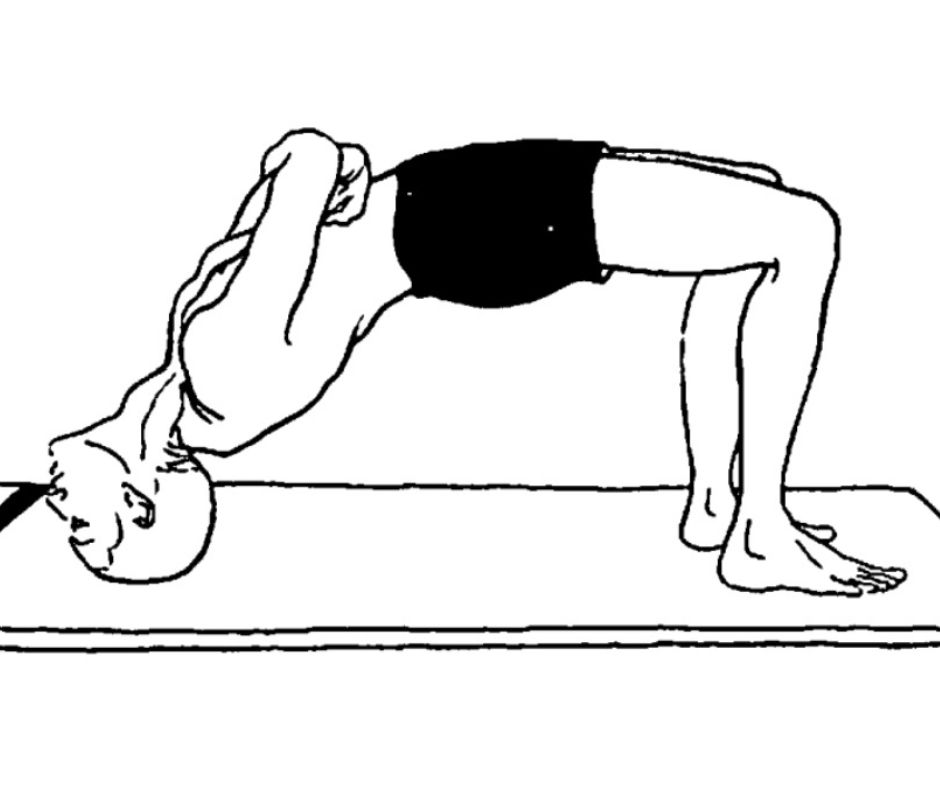
The yoga asana Grivasana we introduce here, whose standard translated name is Neck Pose, is an advanced inversion that requires practitioners to support their body weight on the crown of the head and both feet, with their arms crossed and stacked over the chest.
This asana places direct pressure on the cervical spine, so it must never be attempted casually. Subsequent supporting guidelines will cover practice techniques, alignment logic, contraindicated populations, and safe progressive advancement methods.
What is Grivasana?
The name of the yoga asana Grivasana originates from Sanskrit. Compared with Sirsasana, the headstand widely familiar to yoga enthusiasts, Neck Pose has a narrower support base and a higher level of difficulty, making it a standard advanced-level yoga asana. Practitioners must first master the specified prerequisite foundational asanas before they are qualified to attempt it.
Preparing the Body: Why Warm-Up Isn't Optional
When practicing the yoga asana Grivasana, executing the pose’s movements while the spine remains in a cold state is the most common trigger of injuries related to this pose.
Practitioners must first complete 5–10 minutes of warm-up, which includes neck movements, cat-cow pose, shoulder and wrist stretches, and mild flexion and extension of the full spine. Skipping this warm-up is the largest preventable risk factor for neck strains caused by this asana.
Step-by-Step: How to Practice Grivasana
- Lie flat on your back, arms resting by your sides, breath settled.
- Bend the knees and draw the heels in until they rest close to the buttocks.
- Separate the knees and feet slightly — roughly hip-width — to create a stable base.
- Place the palms flat on the floor, one on either side of the head, fingers pointing toward the shoulders.
- Inhale deeply, then retain the breath as you press down through the hands and feet to lift the trunk, transferring weight so the crown of the head touches the floor.
- Find your balance point between the head and the feet — this is the most technical part of the pose and where most beginners wobble.
- Cross the arms over the chest once balance feels secure, removing the hands as a support.
- Hold the final position for as long as it remains comfortable and controlled — a few breaths is enough to start; there is no benefit to forcing duration.
- Exhale as you lower the trunk back down with control, uncrossing the arms first if needed to catch yourself.
Breathing Pattern
Phase | Breath Action |
Starting position | Deep inhale |
Raising the trunk | Retain the breath (Antara Kumbhaka) |
Final balanced position | Retain briefly, then breathe normally |
Lowering the trunk | Slow, controlled exhale |
Benefits of Grivasana
- Strengthens neck, upper back, and thigh muscles
- Improves balancing and body awareness
- Strengthens core muscles required for more difficult arm balances and inversions
- Encourages concentration as the pose is distracting and leaves no room for focus elsewher
Who Should Avoid Grivasana
Grivasana is an advanced posture that’s not suitable for everyone. Good general health is required along with an established practice of inversions. This pose should not be attempted if you have:
- Cervical spondylosis, arthritis, or a history of a slipped disc
- High blood pressure or coronary heart disease
- A hernia or pelvic/abdominal prolapse
- Serious eye conditions including glaucoma or issues with the retina
- Any recent injury to the neck, shoulder, or spine
Work one-on one with a qualified teacher before attempting the pose if you are unsure if your body is able to do this pose.
Grivasana vs. Related Inversions
| Pose | Base of Support | Difficulty | Best For |
|---|---|---|---|
| Grivasana (Neck Pose) | Crown of head + feet | Advanced | Balance refinement, neck and thigh strength |
| Sirsasana (Headstand) | Crown of head + forearms | Intermediate–Advanced | Building inversion confidence |
| Salamba Sarvangasana (Shoulder Stand) | Shoulders + upper arms | Intermediate | Thyroid and circulation support |
| Halasana (Plow Pose) | Shoulders, extended legs | Beginner–Intermediate | Spinal decompression, prelude to inversions |
Common Alignment Mistakes
- Rushing the transition from hands-supported to arms-crossed before balance is secure
- Placing too much weight directly on top of the head rather than sharing load between head and feet
- Neck misalignment — the crown of the head, not the forehead or back of the skull, should contact the floor
- Holding the breath too long in the final position instead of returning to normal breathing once stable
Learn Advanced Asanas Safely, With Proper Alignment
Grivasana and similar poses should be learned with a teacher present, as they will be able to spot alignment issues and shape the asana to your body. At the Yoga India Foundation in Rishikesh, the advanced asana work including inversions and arm balances and advanced neck-balancing postures is introduced progressively in our 200-Hour Yoga Teacher Training and 300 Hour Yoga Teacher Training Program, with the systematic study of Sanskrit, anatomy, and adjustment techniques.
Our Yoga Teacher Training Programs accepts practitioners of all levels (even complete beginners). This course cultivates a complete foundation of asana, pranayama, and yogic philosophy. The 300-Hour Yoga Teacher Training Program is for qualified yoga teachers wishing to enhance their advanced asana teaching skills, including the safe progression of advanced yoga postures like Grivasana.
Whether you’re taking your first steps on the mat or deepening years of practice, studying yoga in India — at its traditional source in Rishikesh — offers a depth of instruction and lineage that’s hard to replicate elsewhere.
FAQ - Frequently Asked Questions
No. grivasana is a more advanced posture and assumes stability and consistency of the headstand practice, as well as a good condition of the cervical spine, which beginners don’t have. Beginners should build foundational strength and balance.
A headstand (Sirsasana) uses the forearms as part of the base of support, creating a wider, more stable tripod. In Grivasana, the forearms are removed. Support is only found from the head and feet. As a result, Grivasana demands a greater level of balance.
No. Any existing neck condition, including spondylosis or a history of disc issues, is a contraindication for this pose. Consult a doctor or experienced teacher before attempting it.
Start with just a breath or two once balance is found. There’s no fixed “correct” duration — controlled entry and exit matter far more than hold time.