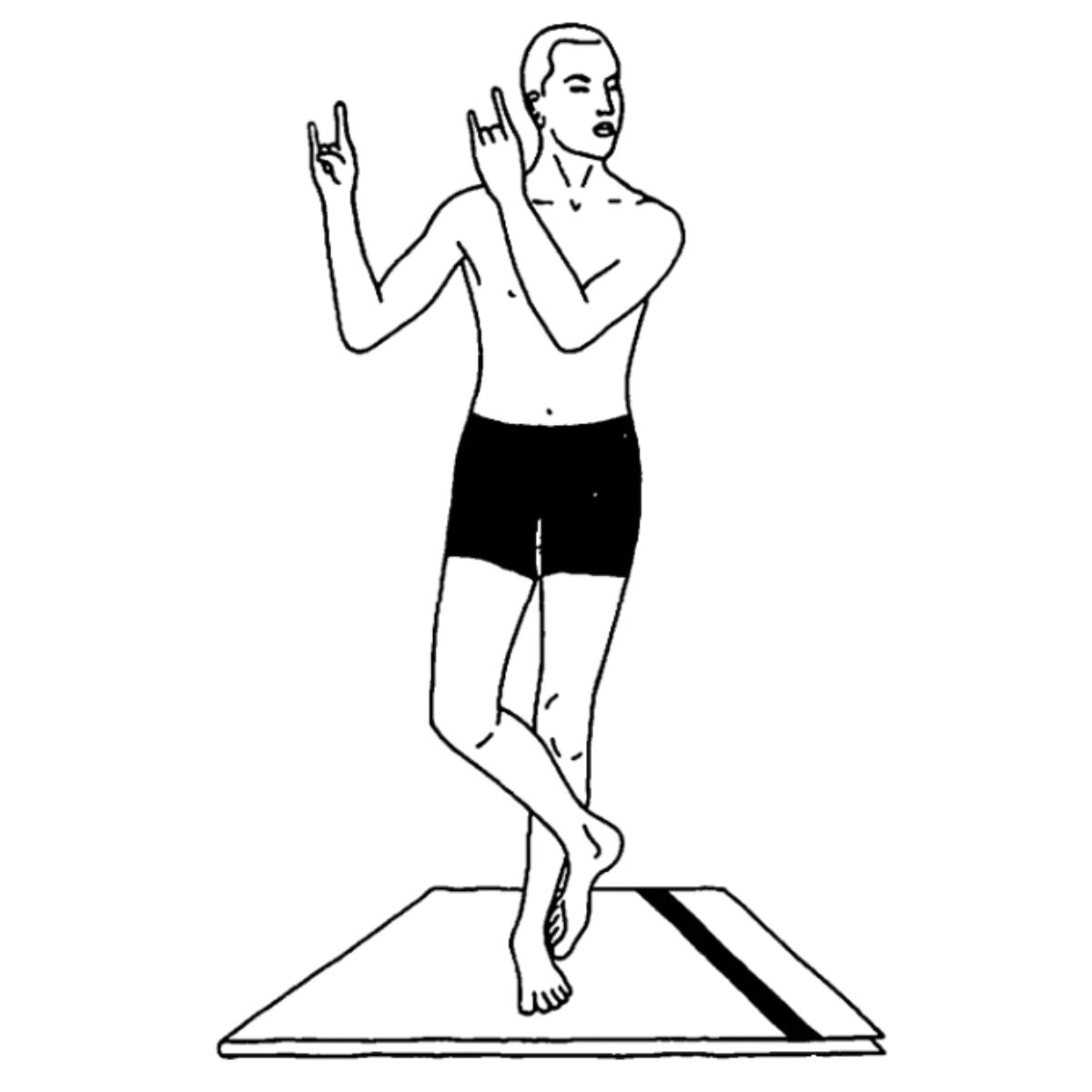
Natavarasana (Lord Krishna’s Pose) — a lovely balancing posture inspired by the graceful pose of Krishna playing his flute. It is a meditative asana and balancing posture that incorporates physical steadiness, concentration and inner awareness. Though Natavarasana looks simple, it can be extremely beneficial for the nervous system and mental muscular focus as well as a spiritual place of connection.
Meaning and Symbolism of Natavarasana
Natavara is a word that personifies Lord Krishna as the one with no peer dancer or performer, who is usually however depicted in an easy, fluid posture while playing flute. This pose reflects that same sense of poise, joy, and effortless balance. Natavarasana — Practicing the King Dancer is not just about alignment, it is also about being calm, graceful and aware.
How to Practice Natavarasana
- Stand with your feet together and stare straight ahead at an object.
- A little walk with the right leg forward and put the right foot to the left calf so that with your toes you do not touch the ground but keep it standing almost perfectly vertical.
- Then, place the outside of the right calf on to the left shin.
- Make the motion of playing a flute but raise both hands to the right. The right palm turns forward, the left palm backward. Everything in your hands is straight-lined: the index and little fingers, middle- nestled into the base of the thumb.
- Then turn the head slightly to the left and find a fixed point with your eyes.
- Stay in the end position for as long you are comfortable
- To let go, center the head back to midline and lower the arms down to do sides of the body while gently placing the lifted foot down to the ground.
- Then repeat the stance on the second side.
Breathing in the Pose
Breathe easy: Ensure that you are keeping your breath as even and natural as it can be throughout the practice. Do not hold the breath and let it stay imperturbed, relaxed and slow as you balance in any posture.
Duration and Practice Guidelines
One can practice Natavarasana for a maximum of three rounds on each leg. The final position can be held for as long as up to two minutes, and how comfortable you feel here will dictate what may or may not work. Start with shorter holds and increase the duration as time goes on for beginners.
Awareness in Natavarasana
This asan helps in developing the physical and spiritual awareness.
Physical Awareness:
Concentrate on balance but keep staring at one point, This improves concentration and coordination.
Spiritual Awareness:
A variety of meditations may be around the Ajna Chakra, traditionally helpful for inward focus and awareness
Benefits of Natavarasana
Regular practice of Natavarasana offers several benefits, including:
- Helps improve balance and stability
- Develops concentration and mental focus
- Supports nervous system balance
- Enhances body awareness and coordination
- Encourages calmness and meditative stillness
- Serves as a gentle preparation for seated meditation
Because it combines balance with concentration, this posture can be especially valuable for those looking to integrate mindfulness into physical practice.
Natavarasana in Your Yoga Sequence
Natavarasana might form part of a preparatory series to prepare for meditation or an asana practice aimed at balance, developing stability, concentration and inward attention. This stance allows the practitioner to sensitize a strong base and review physical alignment, breath control/rate and mental focus. Natavarasana, when practiced over time, may have the potential to improve balance, build postural awareness and foster integration of body and mind. A steady, balancing quality of it can calm a restless mind, reduce distractions and orient the practitioner for more internal practices like pranayama practice, meditation and self-study.
Apart from its physical aspect, Natavarasana provides an avenue to discover the meditative side of asana. By remaining static within the asana and becoming aware of their breath, practitioners may develop patience or practice being present and may begin to deepen the ebb and flow of balance inside them. This is one reason the posture is considered so highly, even beyond just personal practice into traditional learning styles which emphasis coming in and out of postures mindfully and with energetic awareness.
The Yoga Teacher Training Course in India studies the postures– like the Natavarasana for example– not just from a technical perspective, but also in regards to their affect on one energetically and alignment principles, philosophical significance, and how they help precondition the practitioner for all higher limbs of yoga. Delving deeper into how balancing asanas help prepare for focus and meditation can strengthen both student’s individual practice as well as teach you to be a better practitioner yourself. In the same way Online Yoga Teacher Training can help navigate the aspects of yoga postures through alignment, theory and self-practice, due to ongoing change and transformation within traditional forms of knowledge, it offers an opportunity for those willing to explore this information regardless of geolocation.
Final Thoughts
Natavarasana is more than a balancing pose—it is a practice of focus, grace, and inner harmony. Inspired by the symbolic presence of Krishna, this asana invites practitioners to cultivate steadiness in the body and clarity in the mind. With regular practice, Natavarasana can become a powerful tool for developing concentration, nervous balance, and meditative awareness.